Understanding Alcohol Sweats and Their Duration
 webmaster
She has also trained in several models of intervention training and education over the last 8 years and has been a candidate member of the Association of Intervention Specialists since 2012. Heather is currently pursuing her CIP through the Pennsylvania Certification Board. Megan has been a member of the Alina Lodge family for many years, serving as an intern in 2011, and joining the Clinical team full time in January of 2012.
Impact on Health
These signs should never be ignored; immediate medical attention is essential. Excessive perspiration during withdrawal is linked with a long list of symptoms, including confusion, hallucinations and seizures. As some of these conditions can become life-threatening, heavy sweats linked with withdrawal should become alcohol sweats a reason to seek professional help before symptoms worsen.
Managing Alcohol and Excessive Sweating: How The Center for Hyperhidrosis (CHH) Can Help
It can cause severe sweating, fever, hallucinations, and seizures. This is a life threatening event requiring immediate medical care. If you have night sweats along with some of the following symptoms, it could be a sign that you’re going through alcohol withdrawal. If you have night sweats but you haven’t consumed alcohol recently and you’re a regular drinker, it may be a sign of alcohol withdrawal.
What are the Health Risks Associated with Alcohol?
They can help determine the underlying cause and guide you towards appropriate treatment options. One of the key steps in managing alcohol night sweats is to moderate alcohol consumption. Excessive alcohol intake can lead to increased body temperature and trigger night sweats. By reducing the amount of alcohol consumed, individuals may notice a decrease in the occurrence of night sweats.
- If you decide to drink alcohol, keep track of your consumption and keep the number of drinks low.
- This misfiring thermostat is why you might feel perimenopause sweating all the time, even in cool environments.
- If your liver is working in overdrive to break down toxins, it may slow down the process of breaking down alcohol.
- If you drink heavily and experience night sweats after stopping alcohol use, it could be a sign of alcohol withdrawal.
Alcohol-induced night sweats are not uncommon in those who drink regularly or excessively. Shakiness, dizziness, heart palpitations, nausea, headaches, or fatigue may also result. There are a number of ways in which alcohol can contribute to night sweats. They may occur following alcohol consumption, as a symptom of alcohol intolerance, or during alcohol withdrawal, this is due to the impact alcohol has on the central nervous system (CNS). The central nervous system (CNS) is involved in regulating our systems, including body temperature, blood pressure, and heart function. Night sweating does not usually bring danger to the individual; however, it can contribute to dehydration.
- So while sweating might make you feel like the alcohol is leaving, it’s really just your body responding to alcohol’s effects, not eliminating it.
- If you are experiencing this symptom, it is important to visit your doctor as soon as possible.
- Perimenopause sweating all the time can be a challenging aspect of this transitional phase, but it is manageable.
Who is at risk for alcohol withdrawal syndrome?
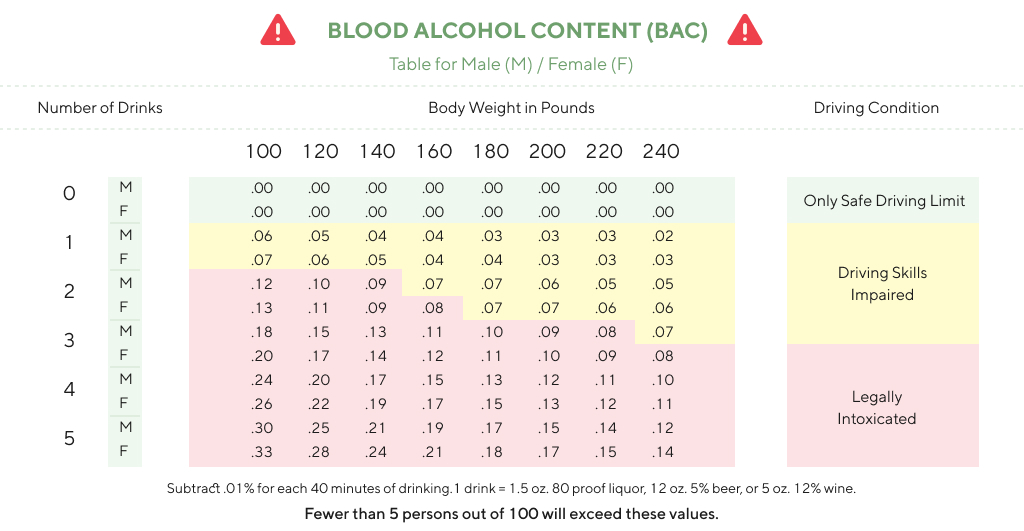
- On average, the liver can process about one standard drink per hour.
- If you are experiencing night sweats regularly, it may be time to consider professional alcohol detox or alcohol addiction treatment.
- Your doctor will assess your medical history and run tests to look for underlying health conditions that could cause your sweating.
- Contact Wellness Retreat Recovery to start your path toward a healthier, sober life.
- Here is some background on each condition to inform a conversation with your healthcare provider.
He has been actively involved in the field of substance abuse and recovery since 2016. If avoiding alcohol isn’t possible, drink plenty of water to help prevent dehydration and try to get a good night’s sleep. Alcohol can also stimulate the sympathetic nervous system, which controls our “fight or https://ecosoberhouse.com/ flight” response — this is why you might get sweaty palms when you’re nervous or scared. Compare inpatient and outpatient detox options to choose the best setting for recovery and support. This may include eating food rich in protein, Blyden-Taylor says, which can slow down alcohol absorption. “The body gets rid of the rest through a process called oxidation, which breaks the toxins down into smaller parts,” White says.
Our Scottsdale rehab facilities offer compassionate, medically supported alcohol detox to help you start fresh through inpatient residential care and integrated mental health services. Sweating caused by alcohol usually lasts a few hours after drinking, depending on how much you drank and how your body reacts. Once your body temperature stabilizes, the sweating tends to ease up.
“People with staph infections like sepsis often have cold sweats as their immune system works extra hard to fight the infection,” says Dr. Brateanu. In addition, vitamin supplements may be given to replace essential vitamins that are depleted by alcohol use. Once withdrawal is complete, additional medications and supplements may be needed to address complications and nutritional deficiencies that occur because of chronic alcohol use. They should also make sure you attend your counseling appointments and visit the doctor regularly for any routine blood tests that may be ordered. ➤ Drinking can trigger sweat glands, especially in sensitive individuals. These tips won’t eliminate sweating entirely but can significantly reduce its intensity making social situations more comfortable.
The central nervous system enters a hyperactive state Twelve-step program in order to counteract the depressive effect of alcohol. This is often called “alcohol dependence.” When alcohol is then removed, the central nervous system remains significantly over-excited. This causes heart rate to increase and blood vessels to widen, leading to sweating and other uncomfortable and potentially dangerous symptoms. If you experience sweating after you stop consuming alcohol, it’s possible that you’re experiencing a common alcohol withdrawal symptom.
Unlike the more stable, lower estrogen levels of postmenopause, the wild ride of perimenopausal hormones can mean experiencing symptoms with varying intensity and frequency. Drinking alcohol causes you to sweat primarily because it dilates blood vessels bringing warm blood closer to the skin surface while stimulating your nervous system’s sweat glands directly. The amount you drink along with individual factors like genetics determine how much you’ll perspire after consuming alcoholic beverages. Alcohol can be socially accepted, which sometimes hides how easily problems can snowball.
(1) Individuals experiencing alcohol night sweats may wake up feeling cold due to the body’s production of sweat in response to alcohol consumption. Waking up soaked in sweat after drinking can signal many things, from a hot bedroom to underlying issues like alcohol withdrawal or intolerance. While mild night sweats might not always indicate a severe problem, persistently waking up drenched can hint at dependence or ongoing misuse.